


![]()
HOME
|
|
|
|
|
|
P R O F I L E |
||||
|
![]()
WONDERFUL WATER TOWERS IN BRITAIN Barton map number 18 LINCOLNSHIRE UNDER CONSTRUCTION
In order to display a database of water towers, Britain has been divided into county groups with each group on a separate web page. The starting point is the towers identified in Barton B. (2003) Water Towers of Britain, The Newcomen Society. This data has then been updated.
Website: Click Here ADDITIONAL INFORMATION
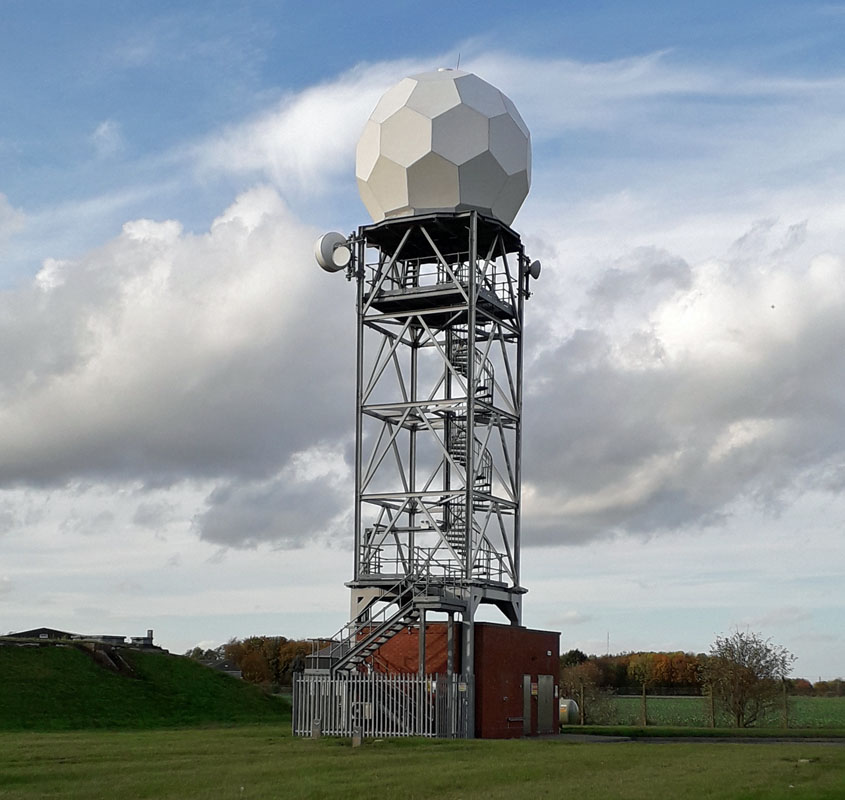
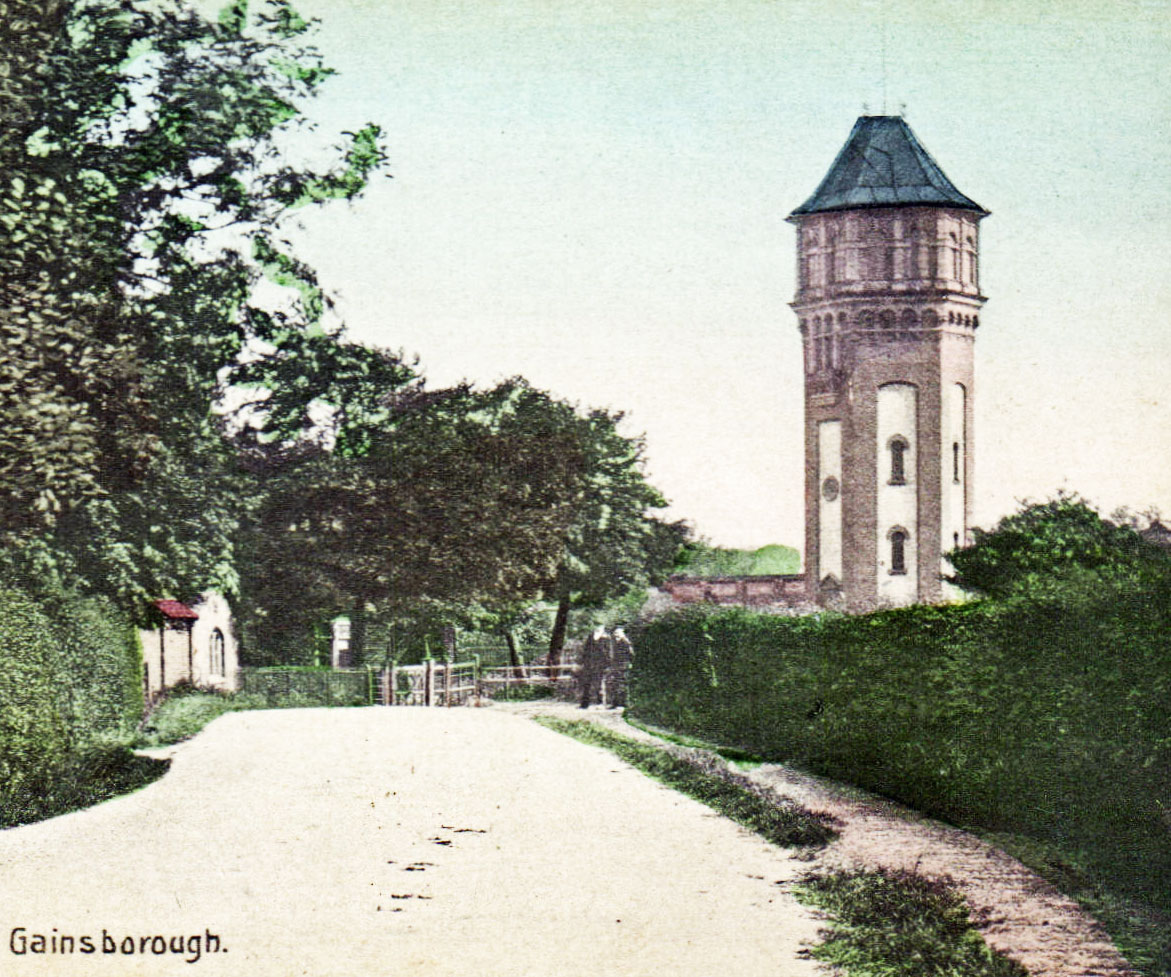
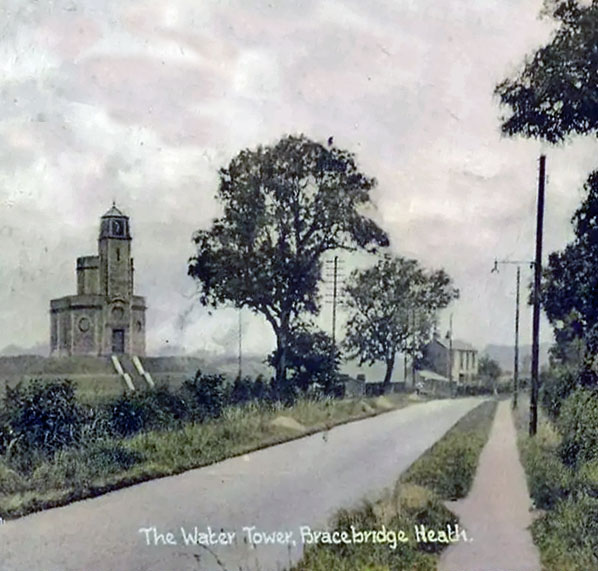
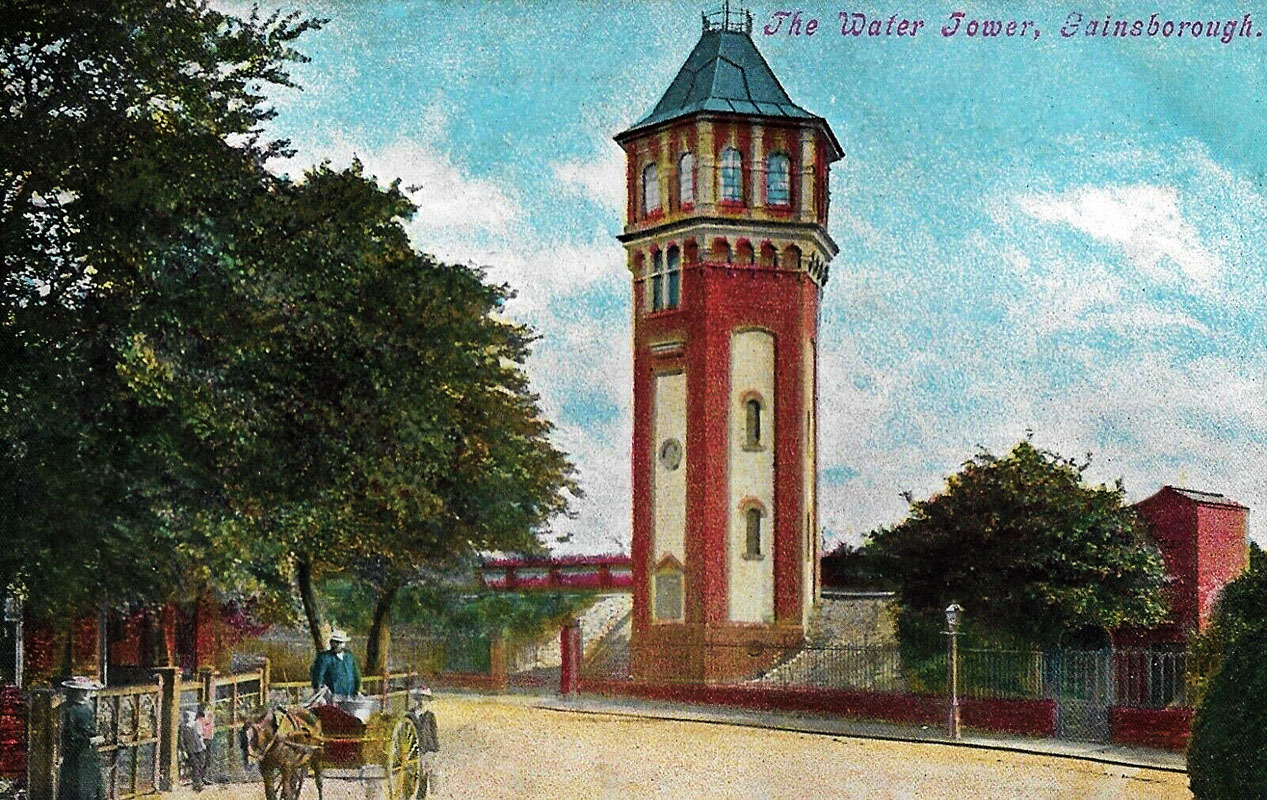
![]() INGHAM TOWER (18LS00) This tower is located a short distance north of Lincoln, just west of the A15 near Ingham. It is a landmark erection that may not even be a water tower in spite of being managed by Anglian Water. We would welcome any information about it. 1 Ash Grove, Gainsborough ![]() ![]() COX'S HILL WATER TOWER (18LI02) Gainsborough, Lincolnshire. It is sited on the south side of the junction of Heapham Road and Summer Hill. This is a grade II listed hexagonal building that dates from 1897. The design engineer was Henry Riley and it makes a pleasing appearance on the local landscape. It was surrounded by a former reservoir which was constructed in 1864 at the top of Hickman Hill DN21. Grid. Ref. SK820900. GORSE LANE WATER TOWER (18LS03) Grantham NG31 7UF, Gorse Lane Water Tower is a familiar landmark from the A1 which crosses Gorse Lane to the south of Grantham. The tower is on the north side of the lane and on the east side of the A! at the junction of the two. Grid Ref. 910336. 4 Blyborough GONE 5 Woodnook 6 Lobthorpe 7 Barkston Heath GONE 8 Fillingham 9 Hareswood WESTGATE WATER TOWER (18LS10)51 Chapel Ln, Lincoln LN1 3AZ. Erected in 1910, this tower is part of a network of water supply facilities for the locality. Designed by Reginald Blomfield in the Baroque revival style, it is square in plan and measures 117 feet (36 m) high. The Lincoln Corporation commissioned the project following the typhoid outbreak in 1904–1905, which killed well over 100 people. In order to provide a safer supply, the tower drew water from the reservoir at Bracebridge Heath rather than the polluted sources at Hartsholme Lake and the River Witham. The internal tank measures 15.9 metres (52 ft) in diameter and can hold 1.356 million litres of water. It remains in use today and is operated by Anglian Water. See Bracebridge Heath Water Tower immediately below. The tower is Grade II listed and is located near the cathedral and castle. ![]() BRACEBRIDGE HEATH WATER TOWER (18LS11) Grantham Road, Bracebridge Heath, a village and civil parish in the North Kesteven district of Lincolnshire, a short distance south of Lincoln. The site comprises a water pumping station and reservoir. In 1904/5 a typhoid epidemic in Lincoln resulted in well over 100 deaths. Contaminated water supplies were blamed and it was necessary to improve the quality of the supply. A new source of supply at Elkesley resulted from 1911 to the present day with water pumped from Elkesley into Westgate water tower. The surplus passes by gravitation to Bracebridge Heath Reservoir and tower, which serves the low districts of Lincoln as well as Bracebridge Heath and RAF Waddington. 12 Nettleham Fields 13 Brocklesby GONE ![]() SWINSTEAD WATER TOWER (18LS14) Located on Park Lane, Swinstead; this tower is part of the Grimsthorpe Park Estate. As such it is a very early example of water tower technology. It dates from the 1730s when it was built by Sir John Vanburgh as a water tower. Subsequently it has been converted to residential accommodation. Grid Ref. 02 22., just east of Swinstead which is about 10 miles south-east of Grantham. 15 Toft Newton GONE 16 Newton Bar ![]() ASHBY DE LA LAUNDE WATER TOWER (18LS17) This reinforced concrete structure tower is about 5 miles south-south-east of Lincoln. Its location is on the south eastern side of the village. The tower provides a useful support for local broadband transmission. It is managed by Anglian Water. Grid Ref. 055 550. ![]() SLEAFORD WATER TOWER (18LS18) Quarrington Hill, Sleaford, near the Church of England St Botolphs Primary School. This tower is managed by Anglian Water. Sleaford is about 12 miles north-east of Grantham and the tower is on the Grantham side of Sleaford. Its location is in the Clayhill Water Treatment Works, a yard south of the railway from Grantham and near a modern residential area. Grid Ref. 055 452. POTTERHANWORTH WATER TOWER (18LS19) Nocton Road, Potterhanworth, LN4 2DN, about 6 miles south-east of Lincoln. The Tower, Nocton village and Hall are just south. The tower was declared redundant as a water tower in 1978. It was converted to a private house in 1995. The Tower was originally built in 1903 with a tank capacity of 37,000 gallons. It was filled from a 150ft deep artesian bore hole nearby. Construction was financed by an Endowment from Christ's Hospital in Lincoln. The 16th century philanthropist Dr.Richard Smith, founder of Christ's Hospital, had land in Potterhanworth and his coat of arms can be seen in the tower brickwork. The two rooms below the tank were used for various public meetings and during the war by the Home Guard. 20 Lenton GONE DORRINGTON WATER TOWER (18LS21) This disused water tower, originally built in 1910 by Sleaford Rural District Council, is located on the hill near the church, having once served the villagers of Dorrington with their water requirements. Dorrington lies just north of Ruskington in the North Kesteven District. Grid Ref. 075530. ![]() FOLKINGHAM 1 WATER TOWER (18LS22) Lying about 10 miles east of Grantham, Folkingham windmill was utilised in the 19th century to ensure continuity of water supply to the village. This was demolished before 1930 and replaced by an iron water tower. The present futuristic-style tower was built in 1982 on a hill just within the parish boundary, about a mile to the south of the village, adjacent to the A15 road. It is 70 feet high and has a capacity of 54,000 gallons of water. Grid Ref. 079325. 22 Folkingham 2 23 Scopwick GONE 24 Ruskington GONE 25 Evedon ![]() MARTIN WATER TOWER (18LS26) This tower can be found just to the west of Martin on the B1189 road, Grid Ref. 100599, about 12 miles south-east of Lincoln. 27 Anwick GONE 28 Billingborough GONE BARDNEY WATER TOWER (18LS29) The Bardney water tower is a fifty foot high, disused, early 20th-century landmark, located about 12 miles east of Lincoln. It is in the process of being converted into a private residence. Located on Abbey Road near the remains of Bardney Abbey, it is south-east of the village and is a prominent feature on the flat landscape. The tower was built around 1903 to provide water to the village of Bardney from nearby boreholes. At the time, it was officially listed as a "Pumping Station". It was used for 35 years until 1938, when the village was connected to the mains water supply from Welton. The borehole that fed the tower reportedly dried up during World War II. 30 Burton Pedwardine GONE 31 Heckington GONE 32 Great Hale BILLINGHAY WATER TOWER (18LS33) Situated off Sprite Lane on the western side of Billinghay. The Billinghay Water Tower serves as both a functional water tower operated by Anglian Water Services and a memorial to a tragic World War II event. It is an Aviation memorial to April 11, 1943, when a Vickers Wellington bomber crashed into the water tower on the site, killing the four crew members. Today's tower holds 0.6 million litres and was built in the 1950s remaining in use and managed by Anglian Water. Its location is the highest point in Billinghay at about 12m above sea level. Grid Ref. 142550. 34 Ludford GONE ![]() BAUMBER WATER TOWER (18LS35) To discover this tower take the A158 from Lincoln to Baumber. On approaching Baumber, there is a lane to the left as the road bends to the right. Take the lane to the castellated church on the right. The tower stands alone in a field to the left. Grid Ref. 222 745. This small water tower on the northern edge of the village close to the church is now redundant, albeit at a glance it looks as if it would make an interesting holiday facility for visitors to this charming area with the Lincolnshire Wolds in the distance. The capacity of the cast-iron tank was about 6600 gallons. 35 Baumber 36 Quadring GONE CROWLAND WATER TOWER (18LS37) Located beside the B1166 Deeping to Crowland road and the river Welland. The Crowland Water Tower is an Anglian Water facility built in the 1960s, holding approximately 450,000 litres of water. It's a landmark in the area, located just west of the town of Crowland and the nearby town of Spalding which is approximately 7 miles north. Grid Ref. 229106. HOLLAND FEN WATER TOWER (18LS38) In the 1760s Holland Fen to the north-west of Boston was drained. This enabled the land to be organised for planned exploitation. The Holland Fen Water Tower, about 8 miles from Boston, was a mid-20th-century reinforced concrete tower located in the locality of the small community. Grid Ref. 235497. PINCHBECK WATER TOWER (18LS39) Knight Street, Pinchbeck. This water tower is operated by Anglian Water and is visible for miles around. The Pinchbeck Water Tower is a concrete structure, built in 1954, with a hexagonal tank resting on six legs and a central column. Its location is Pinchbeck, just north of Spalding, in the centre of town. Grid Ref. 235260. CHATTERTON WATER TOWER (18LS40) The water tower is located on Chatterton Avenue. It stands by the bus station in Spalding town centre. Officially opened by The Marquess of Exeter in 1955, the Chatterton water tower is an iconic landmark in Spalding and is owned and operated by Anglian Water. In 2017, Anglian Water completed a renovation of the structure and lit it up to celebrate the project's completion. The Water Tower holds up to 3.4 million litres of fresh water, providing drinking water and essential water mains pressure pressure to over 22,000 properties in Spalding and the surrounding rural locations. 41 Pinchbeck Road, 42 Kelstern ![]() STENICOT 1 WATER TOWER (18LI43/1) Stenigot is an area about 7 miles south-west of Louth. It has two water towers quite near each other. Number one tower can be found about a mile north of Stenigot House on the road to Hallington. It is managed by Anglia Water and is adjacent to a large reservoir. Grid Ref. 258 827. ![]() STENICOT 2 WATER TOWER (18LI43/2) This brick tower also lies north of Stanigot House on the road to Hallington. It was originally part of an RAF station. Grid Ref. 264831. 44 Weston GONE 45 Sutterton 46 Canister Bridge GONE FULLETBY WATER TOWER (18LS47) About 5 miles north-east of Horncastle is another of Lincolnshire's water towers. It is situated just above and on the edge of Fulletby village in the Lincolnshire Wolds. A rather basic utilitarian steel structure located immediately to the east of the village, positioned in a stand of trees at Top Holt, alongside the road between Belchford and Greetham and affording wonderful views over the Wolds. Grid Ref. 302732. 48 Whaplode Drove 1 GONE BOSTON WATER TOWER (18LS49) skirbeck Quarter tower close-up view from Garfitts Lane, Skirbeck Quarter, Boston. This tower lies in the south-west area of Boston. Skirbeck is a historic village that became a suburb of Boston in 1932. Grid Ref. TF318425. The tower lies at the end of a cul-de-sac lane and was built in the mid-nineteen sixties. 50 Whaplode Drove 2 51 Revesby GONE 52 Horncastle Road, Boston GONE 53 Grain Silo, Boston GONE 54 Fishtoft 40 Chatterton Tower GONE 55 Grimoldby Spalding GONE 56 Old Leake CHAPELGATE WATER TOWER (18LS57) Water tower near Chapel Hill Farm, Chapelgate, Gedney, Near Long Sutton. Grid Ref. 4136 2447. There are several towers of this design operated by Anglian Water in Lincolnshire. 57 Gedney 1 (above) & 2 Spalding 58 Little Sutton GONE 59 Wingland GONE 60 Mablethorpe GONE 61 Mumby GONE 62 Skegness 1 & 2 GONE
![]() HEMSWELL WATER TOWERS (18LI63) Located at Hemswell Cliff on the A 631 road, is a Business Park. Originally it was the heart of the old RAF Hemswell. In it are two adjacent buildings selling antiques. Grid Ref. 955 898. "Antiques and Retro" is one of these. The other is "Antiques Warehouse". Both have what appears to be a water tower. Hemswell Croft is about 15 miles north from Lincoln. 64 Le Tails Mill, Lincoln 65 St Johns Asylum, Bracebridge Heath - Concrete tower now demolished. 66 Waddington 1&2 67 Cranwell GONE 68 Stamford Railway Station 69 Rauceby Hospital 70 Digby 1&2 71 Bass Mailings, Sleaford 72 Binbrook 73 Manby CLEETHORPES WATER TOWER (18LS74) Cleethorpes is adjacent to Grimsby on the southern side of the Humber Estuary. Click right to see the Cleethorpes Water Tower picture taken from Grant Street, near the junction with Prince's Road. The water tower is located inside a fenced off compound, at the bottom of Pelham Road, adjacent to the substantial Chapman pond. Grid Ref. TA 30150 09472. Seven homes have recently been approved by planning dept. to be built close to the water tower. For Grimsby Harbour Tower (unitary authority of North East Lincolnshire) see (20HS24) Humberside. GROVERS MILL—Alien Creatures from space invade and the water tower gets attacked. Within minutes, stunned listeners were introduced to a Professor Pierson from Princeton University. Played by Mr. Welles, he told of Martians scrambling out of cigar?shaped space ships near Grovers Mill. The first hints of hysteria appeared as “newscasters” reported that Martians were using gas and meteorites to destroy the Army and police units that had rushed to the scene. Frightened listeners began telephoning local police and newspapers. The switchboard at Police Headquarters in New York was jammed, and two officers were dispatched to CBS Radio to find out the truth. In New Jersey, the interplanetary battleground, residents panicked. Many reportedly jumped into their cars and headed for open country, convinced that the invasion was authentic. The Church Service was halted in Cape May when a woman interrupted the proceedings. “I just heard on the radio that New York has been bombed and destroyed,” she screamed. “It's the end of the world! You may as well go home to die!”. Rumours spread in Bergen County that monsters were coming out of the meadowlands. A few miles away, two breathless teenage girls ran into Union City Police Headquarters and cried out that dragons were crawling out of the Holland Tunnel. There were many such strange incidents. Meanwhile, back at Grovers Mill residents grabbed their guns and went out to attack the invaders in the misty evening weather. They shot up the local water tower mistaking it for a Martian invader. The panic rapidly extended throughout the state as individuals reacted to the threat. The hysteria was not confined to New Jersey. In Birmingham, Ala., residents gathered in groups and prayed: in Providence, R.I., the police got reports of flying?saucer sightings, and in some South-eastern states a rumour spread that a meteorite had killed 40 to 7,000 people in New Jersey. However in Growers Mills, the tide of battle was turning. The seemingly unbeatable Martians had acquired germs that earthlings long had been immune to, and soon all invaders were reported dead. The hysteria quickly subsided after the broadcast ended, but Government and police officials just as quickly demanded that the Federal Communications Commission conduct an investigation. Grovers Mill was chosen by Orson Welles, then a young producer, as the site of a “broadcast” announcing a “visit” by strange beings from Mars. The program sparked hysteria throughout the state and country. Mr. Welles was using the names of actual Federal, state and local officials. Unfortunately, few listeners had paid attention to an announcement at the beginning of the program that the play being presented was an adaptation of H. G. Wells' “War of the Worlds,” and was “purely fictional.” A large number of cars bearing the curious reportedly rolled into sleepy Grovers Mill, but there was no catastrophe to view other than a shot up water tower. Finally, the state police put out reassuring messages over the teletype, advising municipal police that the scare was a fake.
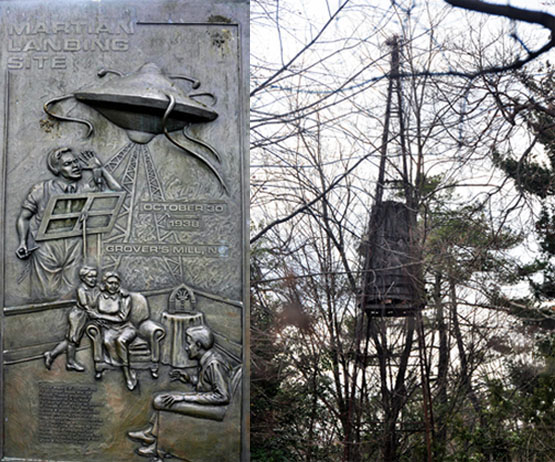
The plaque that commemorates the wild events of 30 October 1938 and the water tower that was mistaken for a Martian invader and shot to pieces. REGION England - Central, WATER TOWER INTEREST |
||||
|